
Routes that don't optimize themselves
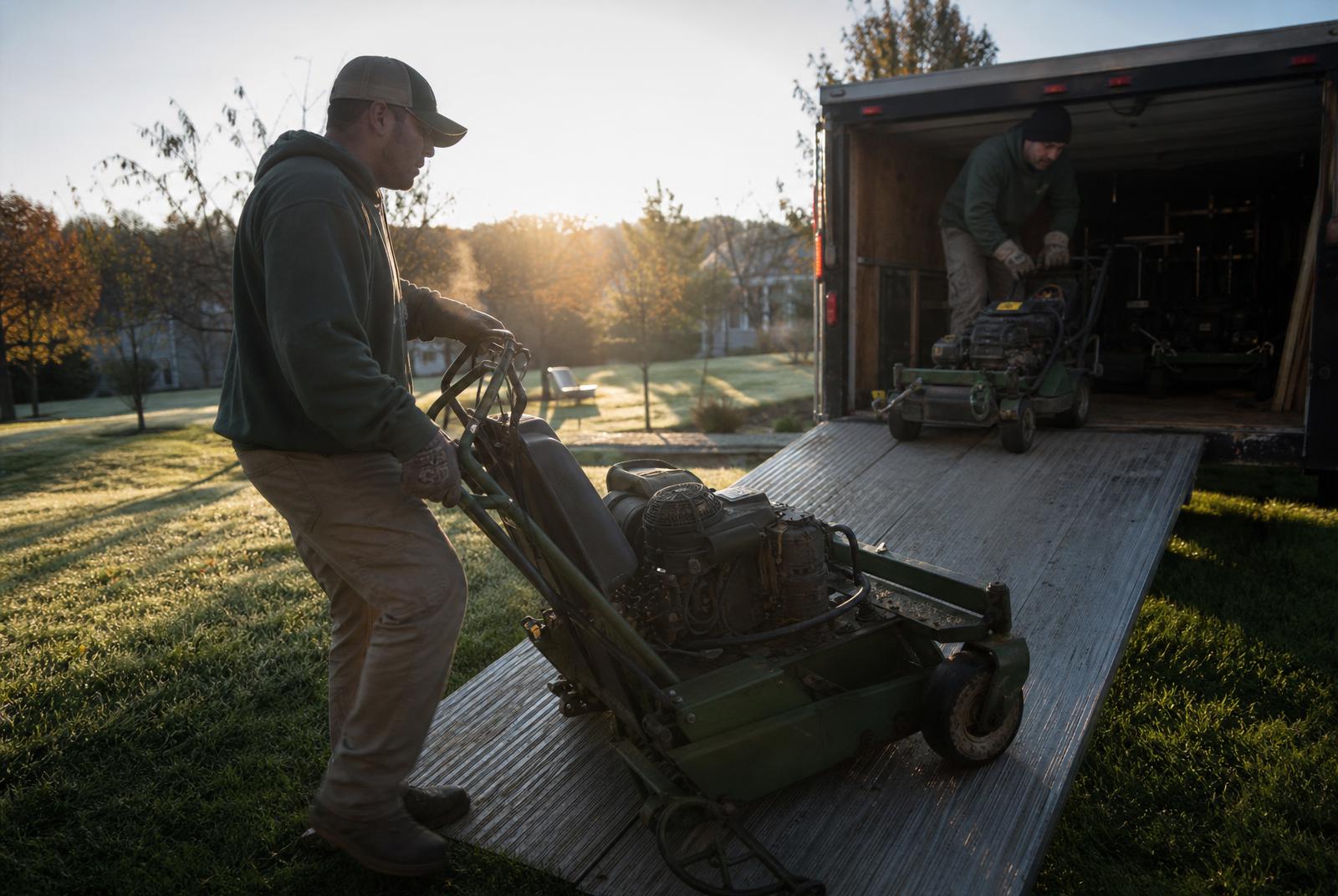
Recurring maintenance lives or dies on route density. When the schedule is built in someone's head, every new account makes it worse, not better.
From the weekly maintenance route to the six-month design-build project, Reactor is configured around the many shapes a landscaping business takes — the density, the seasonality, the long sales cycles on bigger work.
Veteran-owned
US-based implementation
Not an agency. A partner who stays.
Configured for
Service & specialty retail
Trades, legal, medical, and community-driven retail.
No setup fee
Month-to-month
Cancel anytime. No long-term contract.
Recurring maintenance lives or dies on route density. When the schedule is built in someone's head, every new account makes it worse, not better.
A backyard renovation lead is worth $30,000. It also takes weeks of follow-up, drawings, and revisions. Without structure, the slow leads die in the inbox.
Rain pushes the route. A crew is short. Customers wonder where their team is. Without a system, the owner spends the morning on the phone managing the day.
Mulch, aeration, irrigation startup, holiday lighting, fall cleanup — the recurring revenue is hiding in the calendar. Without prompts, it stays hidden.
Reactor for landscaping handles route-based recurring work, seasonal campaigns, and full design-build projects in the same system — so the recurring revenue compounds, the bigger projects don't slip, and the crew always knows where to be.
What it actually looks like to run a landscaping business on Reactor — routes tightened, enhancements offered in season, renewals worked on a real cadence.
A maintenance lead and a design-build lead are not the same conversation. Reactor routes each to the correct pipeline with its own qualifying questions, response time, and sales cadence.
Property size, gate codes, slope, and prior-year notes are pulled into the estimate. Crews don't show up to surprises — and recurring contracts get priced against the actual labor history, not a guess.
Reactor groups jobs by zip and zone so route density compounds instead of erodes. Drive-time and fuel costs get pulled out of the gross margin instead of hiding inside it.
Rain on Tuesday triggers an automated reshuffle — customers get notified, crews get the new sheet, and the lost day gets recovered Friday or Saturday without a dispatcher rebuilding the week by hand.
Pre-emergent in spring, mulch refresh in May, leaf cleanup in fall, holiday lighting in November. Each enhancement is offered to the right customers at the right week — not blasted to everyone in May.
Annual contract renewals get worked on a defined cadence with price adjustments, scope changes, and prior-year service history surfaced for every conversation. Retention stops depending on the owner remembering.
Jobs grouped by zone instead of scheduled in arrival order — fewer windshield hours, better gross margin per crew day.
Seasonal enhancements offered to the right customers at the right week typically lift per-customer revenue by a third over a full year.
Annual contracts get worked on a real cadence — renewal becomes a process, not a hope, and retention compounds year over year.
Weather-driven rescheduling happens in minutes, not hours, so lost days actually get made up instead of quietly disappearing from the week.
Directional ranges based on operators we've worked with. Real numbers depend on where your business is starting from — we'll walk that through on the strategy call.
Solo operator or 1-2 truck shop, mostly residential maintenance. Need: capture leads, manage routes, get paid online, get reviews.
3-8 trucks, mix of maintenance and small projects. Need: route optimization, design-build pipeline, automated seasonal upsells.
8+ trucks, full maintenance and design-build divisions. Need: full operational orchestration, multi-crew dispatch, multi-pipeline reporting.
A 30-minute strategy call. We'll listen, look at where your operation is today, and tell you honestly whether Reactor is the right next step.