
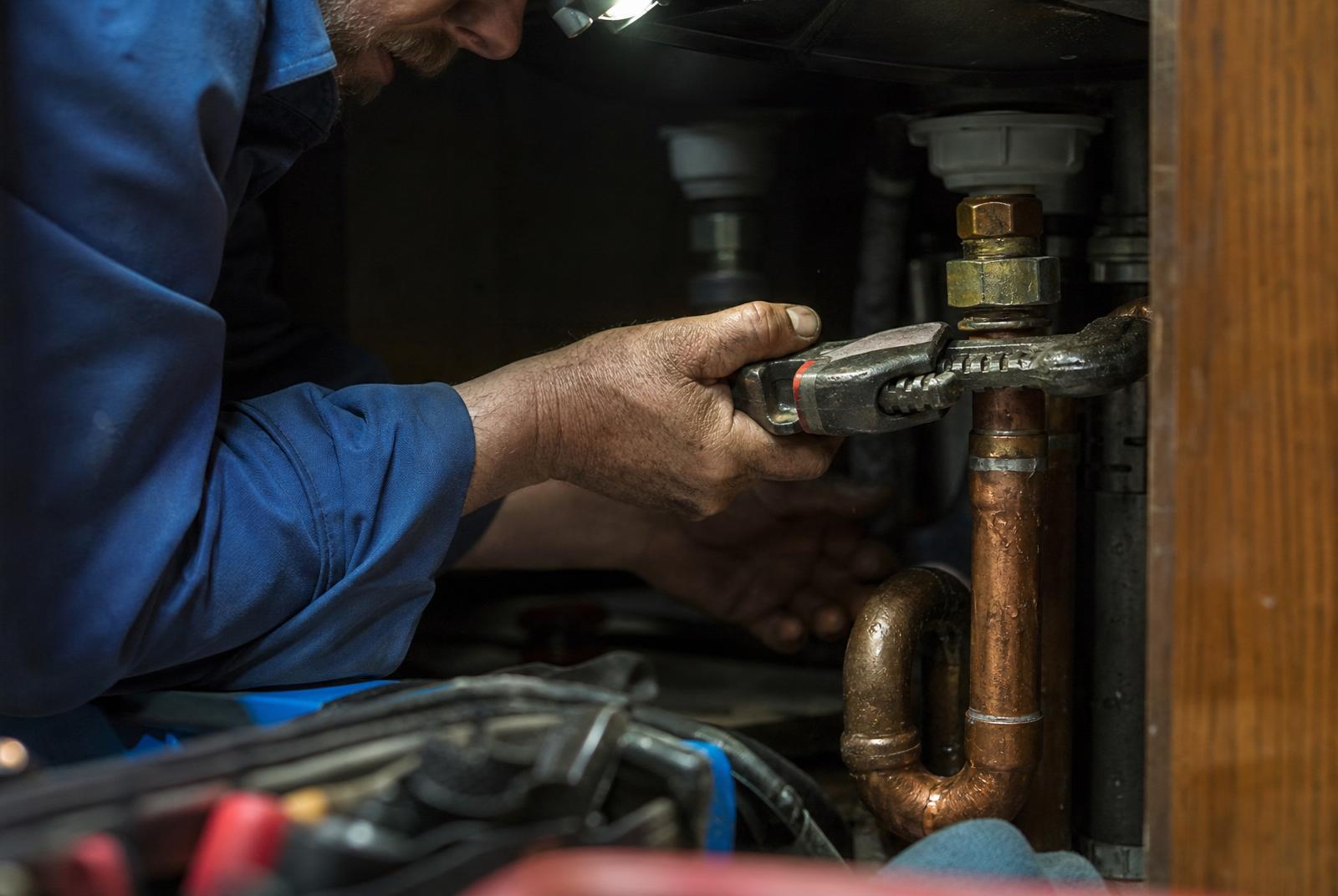
Emergency calls slipping through
Most plumbing leads call once. If you don't pick up, they call the next number. The system has to capture every call, every time.
From the 2 AM emergency call to the annual service plan, Reactor is configured around how plumbing businesses operate — the urgency, the customers, the rhythm.
Veteran-owned
US-based implementation
Not an agency. A partner who stays.
Configured for
Service & specialty retail
Trades, legal, medical, and community-driven retail.
No setup fee
Month-to-month
Cancel anytime. No long-term contract.
Most plumbing leads call once. If you don't pick up, they call the next number. The system has to capture every call, every time.
Plumbing quotes are often verbal, sometimes texted, rarely followed up. The system has to make follow-up automatic, not optional.
Recurring service plans should be the foundation of repeat revenue, but most plumbing companies run them on spreadsheets, if at all.
The customer was thrilled. The follow-up review request never happened. Five-star service, three Google reviews.
Reactor for plumbing isn't a CRM with a "plumbing template." It's a full operational system shaped around the rhythms of a plumbing business — the calls that come in at all hours, the quotes that need to land, the service plans that should compound year over year.
What it actually looks like to run a plumbing day on Reactor — start to finish, captured to billed, reviewed to reactivated.
Toilet overflowing at 9:47 PM. Reactor's after-hours AI receptionist answers in two rings, captures the address, the urgency level, and the customer's preferred callback method — never sends them to voicemail.
Job is auto-tagged emergency drain, scored by ticket size and proximity, and routed to the on-call tech with full context — past service history, equipment notes, and the gate code if you've been there before.
Customer gets an automated 'tech on the way' text with name, photo, and live ETA. The tech arrives with the dispatch packet, the membership status, and any prior diagnostic notes already on the tablet.
Diagnosis turns into a written, line-itemed quote on the spot — good/better/best when it fits, financing offered when it helps. Signature and deposit captured before the truck leaves the driveway.
If the customer isn't on a maintenance plan, Reactor surfaces the right tier based on home age and fixture count. The tech offers it like a checklist item, not a sales pitch — and enrollments get billed and scheduled automatically.
Forty-five minutes after job close, the review request goes out — by text first, email backup. Twelve months later, Reactor reactivates the customer for water-heater flush season without anyone touching the list.
Every new inquiry — call, form, or chat — gets a real human or AI response inside five minutes. The single biggest predictor of which plumber wins the job.
Captured calls plus same-day quote follow-up plus financing offers typically lift booked jobs by a quarter to forty percent within the first 90 days.
Quoting, follow-up, dispatch coordination, review chasing, and recall lists move off the owner's plate and onto the system.
Most shops jump from a handful of Google reviews a quarter to a dozen or more a month once the request engine is in place.
Directional ranges based on operators we've worked with. Real numbers depend on where your business is starting from — we'll walk that through on the strategy call.
Solo plumber or 1-2 truck shop. Phone is the lifeline. Need: capture every call, get reviews, get paid online.
3-8 trucks. Lead flow is decent but quote-to-close is leaky. Need: real sales process, automated follow-up, reactivation.
8+ trucks, multiple service lines, growing. Need: full operational orchestration, dispatch, multi-pipeline, reporting.
A 30-minute strategy call. We'll listen, look at where your operation is today, and tell you honestly whether Reactor is the right next step.